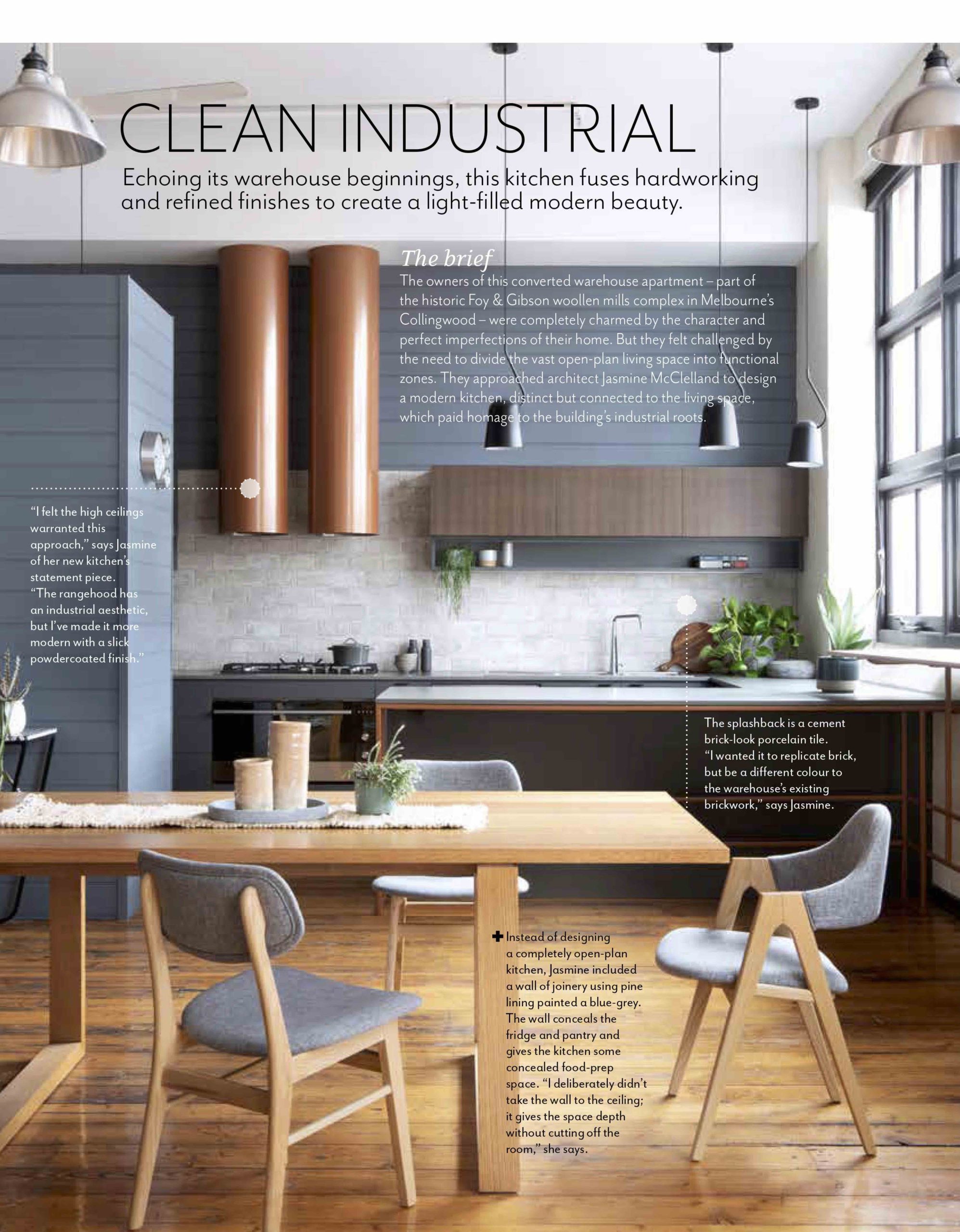
What it really means, and why it matters more than ever
Human-centred design is often discussed in broad, conceptual terms, yet in practice it is grounded in something very tangible: how people actually live. It begins with a shift in focus, away from designing for images, and towards designing for use, movement, and experience over time.
Rather than asking what looks good, our approach asks how a space will be entered, occupied, adapted, and lived in. It considers daily routines, physical comfort, sensory impact, and emotional response, elements that may not always dominate a photograph, but ultimately determine whether a space truly works.
Often, these insights emerge long before finishes or layouts are resolved. Early observations, how people instinctively move through a space, where they pause, how light behaves across the day, tend to reveal more about a project than any reference image. These moments quietly shape decisions that follow.
Reasons why we love human-centred design and what it actually prioritises
- Movement and flow: how people enter, pause, gather, and transition between spaces
- Proportion and scale: spaces that feel comfortable and proportional, rather than oversized or constrained
- Light and orientation: how natural light shifts throughout the day and affects mood
- Materiality: surfaces that feel good to touch, age gracefully, and respond to real use
- Acoustics and privacy: often overlooked, yet fundamental to wellbeing
When these elements are resolved thoughtfully, a space begins to feel intuitive. People rarely notice why it works, they simply feel at ease within it.

Why this matters now

The quiet impact
Jasmine McClelland Design Studio
IF YOU’RE THINKING OF DESIGNING OR DECORATING YOUR HOME,