On this Page:
- Quick Reference Tile Selector
- Tile Materials: The building Blocks of Your Space
- Beyond Aesthetics: A Primer on Tile Finishes
- Tile Performance Ratings an Australian Standards
- Tile Comparison at a Glance
- Matching Tiles for Your Space
- The Rise of Sustainable Tiling in Australia
- The Path to the Perfect Tile
- Frequently Asked Questions
- Jasmine McClelland Design Studio
Selecting the appropriate tile for a residential project requires a meticulous evaluation of factors that extend far beyond aesthetics. The durability, safety, and longevity of a tiled surface are directly tied to its material composition, finish, and specific performance ratings. Today we go through the most common tile types available in Australia—Ceramic, Porcelain, and Natural Stone—and outlines the definitive technical metrics, including PEI, MOHS, and the critical Australian Slip Resistance Standards (AS 4586).
When deciding on tiles for your home build or renovation, a truly informed decision hinges on a nuanced understanding of how material properties, finishes, and performance ratings are interconnected. A tile’s stunning visual appeal must be in harmony with its required purpose to ensure both beauty and function.
Quick Reference Tile Selector
| Material Type | Est. Cost per m² (Tile) | Durability | Maintenance | Ideal Application |
| Ceramic | $20-$95 | Moderate | Low | Walls, Low-traffic Floors, Decorative |
| Porcelain | $50-$100 | High | Low | High-traffic Floors, Wet Areas, Outdoors |
| Natural Stone | $80-$200+ | Moderate to High | High | Low-traffic, Feature Areas, Walls |
Tile Materials: The building Blocks of Your Space
The foundation of any tiling project begins with a clear understanding of the materials. Each type of tile is defined by its unique composition and manufacturing process, which in turn determines its physical properties, deciding what its ideal applications will be. Let’s cover the most common types you will come across:
Ceramic Tiles: The Affordable All-Rounder
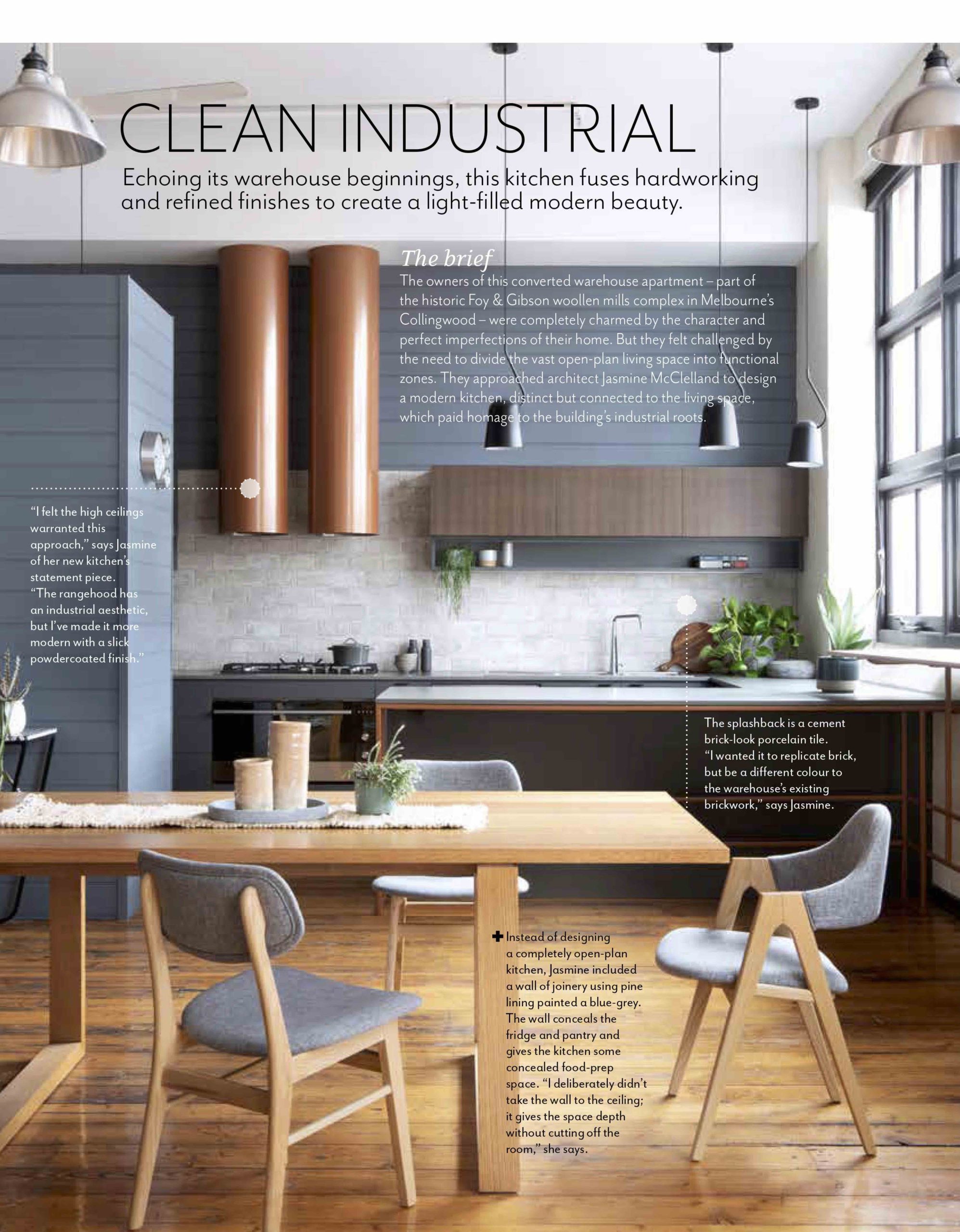
Ceramic tiles are a popular and versatile choice, serving as the most common type of tile found in homes. They are produced from clay that is molded into the desired shape and then baked in a kiln at extremely high temperatures. This process makes them naturally durable and strong, ideal for most residential applications. Ceramic tiles are widely available, easy to install, and are generally the most affordable tile option on the market, with prices starting as low as $10 to $30 per square meter. They are available in both glazed and unglazed varieties, each with distinct advantages, and are particularly well-suited for walls, such as kitchen splashbacks, where a colorful, glazed finish can create a stunning statement piece.
Porcelain Tiles: The Premium Workhorse
Porcelain tiles represent a more refined category of ceramic tiles. While all porcelain tiles are a type of ceramic, not all ceramics are porcelain. The key difference lies in the raw material composition and the firing process. Porcelain tiles are made from a more highly refined and purified clay and sand mixture that is blasted in a kiln at higher temperatures than standard ceramic tiles. This process results in a tile that is significantly harder, denser, and less porous.
The superior density and durability of porcelain make it a preferred material for high-traffic floors and outdoor areas where it can withstand more abrasive wear and is resistant to moisture and freezing temperatures. Furthermore, porcelain tiles are highly valued for their aesthetic versatility, as they can be manufactured to convincingly emulate the appearance of natural materials like stone, concrete, or wood without the associated maintenance burden. This ability to replicate luxurious looks at a more affordable price point makes porcelain an excellent choice for renovators seeking both style and practicality. The cost of porcelain tiles is generally higher than ceramic, typically ranging from $50 to $100 per square meter.
Natural Stone Tiles: Timeless Elegance with Maintenance
Natural stone tiles, including Marble, Travertine, Limestone, and Granite, are prized for their unique, timeless elegance. Each piece is distinct, featuring irregular, non-repeating patterns and textures created by nature. This natural variation offers a rich aesthetic that is difficult to replicate. However, this luxurious appeal comes with significant practical considerations.
Natural stone is typically softer than porcelain and more porous, making it susceptible to scratching, staining, and water absorption. It requires a higher level of maintenance, including the use of pH-neutral cleaners and regular sealing to preserve its integrity and prevent discoloration. Installation can also be more complex and expensive, as it requires specialized expertise. The price for natural stone is on the higher end, with tile costs starting from $80 per square meter and reaching over $200 for premium options. The demand for the high-end look of natural stone, coupled with its maintenance and cost challenges, has led to a significant market for porcelain stone-look tiles, which offer the aesthetic without the functional drawbacks.
Specialty and Modern Materials
Beyond the primary materials, a variety of other tile types offer unique design possibilities. Mosaic tiles are small pieces of tile—often ceramic, porcelain, or glass—that are pre-arranged on mesh sheets for easier installation. They are ideal for creating eye-catching accents on walls or kitchen splashbacks.
Glass tiles provide a clean, minimalistic aesthetic and are highly resistant to stains, but they can be susceptible to chipping under heavy impact.
Cement tiles are celebrated for their versatility and bold patterns, and can be used both indoors and outdoors. However, they are highly porous and require regular resealing.
Beyond Aesthetics: A Primer on Tile Finishes
A tile’s finish is a critical factor that influences its appearance, maintenance requirements, and most importantly, its performance in slip resistance.
Glazed vs. Unglazed: The Outer Shell
A glazed tile has a thin, glass-like layer applied to its surface and then fired. This glaze bonds to the surface, creating a waterproof, stain-resistant, and easy-to-clean outer shell that also carries the tile’s color and pattern. Glazed tiles are an excellent choice for kitchens and wet areas due to their practical, low-maintenance properties.
Conversely, an unglazed tile is used in its natural state, without the application of a glaze. These tiles are inherently dense and often have a rougher surface, which gives them a higher slip resistance rating, making them ideal for outdoor applications. However, they may require a sealant to prevent moisture absorption and staining.
Polished, Matte, and Textured Finishes
The surface finish of a tile plays a direct role in both its visual impact and its safety performance. Polished porcelain tiles have a highly reflective, glossy surface created by a mechanical top-surface polish. While they offer a sleek, luxurious appearance and are easy to clean, their smooth surface is generally not recommended for wet areas like bathrooms or laundries due to a lower slip resistance.
Matte finishes provide a subtle, non-reflective look that is excellent for reducing glare in brightly lit spaces. They are also better at concealing dirt and smudges compared to glossy finishes.
Textured finishes are designed with a tactile surface to provide superior grip. This is a critical safety consideration for any surface that may be exposed to moisture, such as floors in a bathroom or an outdoor patio. The surface finish is a key element that can impact a tile’s slip rating, regardless of its material.
Tile Performance Ratings an Australian Standards
Beyond material and finish, a tile’s true performance is quantified by a series of technical ratings. Understanding these metrics is essential for making a safe and durable choice.
The PEI Rating: Measuring Durability and Wear Resistance
The Porcelain Enamel Institute (PEI) rating measures a tile’s resistance to wear and abrasion, which is directly correlated to its ability to withstand foot traffic. This scale applies specifically to glazed tiles and is a crucial guide for determining a tile’s suitable application.
- PEI 0: Suitable only for walls, with no foot traffic.
- PEI 1-2: Ideal for very light to light residential traffic, such as in bedrooms or guest bathrooms.
- PEI 3: Recommended for moderate residential traffic, making it a good choice for most kitchen and main living area floors.
- PEI 4-5: Designed for moderate to heavy residential and commercial use, these are the most durable options for high-traffic areas like entryways and hallways.
The MOHS Scale: Scratch Resistance for Longevity
The MOHS (Mineral Hardness) scale, which ranges from 1 to 10, measures a tile’s resistance to scratching. For residential use, this rating indicates how well a tile will withstand daily wear from abrasive dirt and furniture. A MOHS rating of 5-6 is considered a good balance of beauty and durability for most residential flooring, while tiles with ratings of 7 or higher are suitable for high-traffic and commercial areas.
Australian Slip Resistance Standards for Safety (AS 4586)
In Australia, slip resistance is a critical safety factor regulated by Australian Standards, particularly AS 4586 for new pedestrian surfaces. These standards are legally mandated for specific residential areas such as stair nosings, ramps, and landings. The primary tests used to determine a tile’s slip rating are the Wet Pendulum Test and the Oil-Wet Ramp Test.
The Wet Pendulum Test measures a tile’s frictional resistance when wet, yielding a P-rating on a scale of P0 to P5. A higher P-rating indicates a lower risk of slipping.
Oil-Wet Ramp Test results in an R-rating (R9-R13), with a higher number also signifying better resistance.
The most valuable takeaway for someone trying to find the right tile, is the relationship between a tile’s material, its finish, and its safety ratings. A highly polished tile, even if made from a durable material like porcelain, may have a low P-rating, making it an unsafe choice for a bathroom floor where water is present. This demonstrates that a tile’s overall suitability for a wet area is determined not just by its material strength but by the combination of its properties, finish, and the context of its use.
| Location Type (Example) | Recommended Slip Rating (Pendulum/P-Rating) | Slip Risk |
| External Wet Areas (pool surrounds, verandahs) | P4 to P5 | Low to Very Low |
| Internal Wet Areas (bathrooms, laundries) | P3 | Moderate |
| Internal Dry Areas (living rooms, bedrooms) | P0 to P1 | High (if not kept clean and dry) |
| Ramps | P3 to P5 (depending on slope) | Moderate to Very Low |
Water Absorption: The Key to Wet Area Tiling
Water absorption is a crucial metric for any tile used in wet areas or outdoors. It is measured by the percentage of water a tile absorbs by weight.
- Non-vitreous: Absorbs more than 7% of water. Only suitable for indoor walls.
- Semi-vitreous: Absorbs 3% to 7% of water.
- Vitreous: Absorbs 0.5% to 3% of water.
- Impervious: Absorbs less than 0.5% of water.
Porcelain tiles, due to their dense, high-fired composition, are classified as impervious. This makes them the definitive choice for applications like shower walls, bathroom floors, and outdoor patios, as they will not absorb moisture or be damaged by freeze-thaw cycles.
Tile Comparison at a Glance
The following table is to provide a comprehensive, comparative analysis of the most popular residential tile materials at more of a glance from what we have discussed:
| Factor | Ceramic Tiles | Porcelain Tiles | Natural Stone Tiles | Recycled/Sustainable Tiles |
| Est. Material Cost (per m²) | $20-$95 | $50-$100 | $80-$200+ | $149+ |
| Installation Cost (per m²) | $30-$50 | $40-$60 | $80-$120 | Varies (often higher due to specialty cuts) |
| Durability Ratings | PEI 0-3; MOHS 1-6 | PEI 3-5; MOHS 5-9 | No PEI rating; MOHS 3-7 | Varies (often comparable to porcelain) |
| Weight | Moderate to Heavy | Heavy | Heavy | Varies |
| Maintenance | Low (Glazed) | Low | High (requires regular sealing) | Low |
| Installation Ease | Easy | Moderate (heavy, dense) | Difficult (requires expertise) | Easy to Moderate |
| Ideal Applications | Walls, Kitchen Splashbacks, Low-traffic Floors | Floors (all residential), Wet Areas, Outdoors | Decorative Features, Low-traffic Areas | Walls, Floors, Splashbacks |
| Eco-Friendliness | Low to Moderate | Low to Moderate | Low (quarrying) | High (recycled content) |
Matching Tiles for Your Space
The following sections provide contextual recommendations for specific areas of the home, integrating the principles of durability, safety, and aesthetics.
Tiling Your Kitchen: Function Meets Form
A kitchen requires tiles that can withstand the demands of a high-traffic environment, including constant foot traffic, spills, and potential impact. For kitchen floors, a PEI rating of 3 or 4 is recommended for durability. Porcelain tiles are a preferred choice due to their strength and low maintenance, and their ability to emulate materials like concrete or terrazzo makes them highly versatile. A matte or textured finish on the floor is ideal to provide better grip and conceal dirt.
For kitchen splashbacks, the functional requirements are different. Since there is no foot traffic, durability ratings are not the primary concern. Instead, the focus shifts to aesthetics and ease of cleaning. This is the perfect application for creative expression with materials like glazed ceramic, glass, or mosaics, as they are attractive, smooth, and stain-resistant. The ability to choose a low-durability tile for a splashback while selecting a high-durability tile for the floor highlights the importance of tailoring tile selection to the specific application.


Tiling Your Bathroom: Prioritising Safety and Water Resistance
In a bathroom, the two most critical considerations are safety and water resistance. Bathroom floor tiles should have a high P-rating (P3 or higher) to minimise the risk of slipping when wet. Porcelain is the ideal material, as its impervious classification ensures it will not absorb moisture. The use of smaller tiles, such as penny rounds or hexagon mosaics, also increases the amount of grout lines, which provides additional traction.
For bathroom walls, a homeowner has significant design freedom. Walls do not require the same level of durability or slip resistance as floors. This is an opportunity to use a wide variety of sizes, shapes, and textures to create a unique and timeless look. Using the same tile on both the walls and floor in a small bathroom is a popular design choice, as it helps the space appear larger and more cohesive.
Tiling Your Outdoor Areas: Enduring Australia’s Climate
Outdoor tiles must be selected to withstand Australia’s unique and often harsh environmental conditions, including intense UV exposure, heavy rain, and the potential for freezing. The highest level of durability and slip resistance is required for these applications. Porcelain tiles are the superior choice for outdoor spaces due to their impervious nature and high density, which makes them resistant to water absorption and damage from freeze-thaw cycles.
It is essential to select a tile with a high P-rating (P4-P5) and R-rating (R10+) to ensure safety on patios, verandahs, and around pools, where the risk of slipping is high.

The Rise of Sustainable Tiling in Australia
The Australian building industry is experiencing a transformative shift towards sustainability and safety. This movement is reflected in the growing availability of innovative, eco-friendly tile products and materials.
The Circular Economy in Construction
Sustainable tiles are an emerging product category, with many manufacturers using repurposed materials to create their products. For example, Australian companies like Noveco Surfaces craft tiles from up to 90% recycled materials, including waste glass and repurposed solar panels. This manufacturing process significantly reduces the environmental impact of tile production by diverting waste from landfills and using less water and energy than conventional methods.
Safer, Healthier Materials: The Crystalline Silica-Free Revolution
A significant development in the sustainable tiling movement is the elimination of crystalline silica from some products. Traditional engineered stone, for example, contains crystalline silica, which can pose a serious health risk to workers during cutting and fabrication. By manufacturing surfaces that are completely crystalline silica-free, companies are offering a safer and more responsible material choice that aligns with growing health and safety regulations in the construction industry. This shift highlights that sustainability is not only about environmental stewardship but also about creating healthier, safer workplaces and homes.
Eco-Certifications: GECA and Green Star
For consumers and builders seeking to verify the environmental claims of a product, national certification schemes provide a reliable benchmark. Good Environmental Choice Australia (GECA) is an independent ecolabel that certifies products based on rigorous environmental and social criteria. GECA-certified tiles and other building materials can contribute to
The Path to the Perfect Tile
The analysis of tile materials, finishes, and performance metrics reveals that the most effective tile selection process is a systematic one, where each property is weighed against the specific demands of the intended application. For the Australian homeowner, this process should be guided by a few core principles.
- Prioritise Porcelain for Versatility and Durability: Porcelain tiles consistently emerge as the most functionally superior choice for a majority of residential applications. Their high density, low porosity, and exceptional durability make them ideal for high-traffic floors, wet areas, and outdoor spaces. The ability of porcelain to convincingly replicate the look of natural stone or wood offers a practical solution to achieving high-end aesthetics without the burden of high maintenance or a prohibitive cost.
- Balance Aesthetics with Safety: The tile’s finish is not merely an aesthetic choice; it is a critical safety consideration. Polished finishes, while visually striking, are generally unsuitable for wet or high-traffic floors. A matte or textured finish on a floor tile is essential to provide adequate slip resistance and ensure a safe environment, particularly in bathrooms and outdoor areas.
- Acknowledge and Address Material Limitations: While the unique beauty of natural stone is undeniable, it is important to be prepared for the ongoing maintenance and higher costs associated with its use. Similarly, for a material like ceramic, its lower durability and scratch resistance make it a poor choice for high-traffic floors, but its affordability and ease of cleaning make it a perfect fit for decorative wall applications like splashbacks.
- Support Sustainable Practices: The growing availability of eco-friendly tiles, made from recycled materials and without harmful substances like crystalline silica, presents a new and impactful way for homeowners to contribute to a healthier environment. Selecting products with verified certifications like GECA and Green Star provides a level of assurance that these choices are both responsible and of high quality.
Ultimately, an informed tile choice is one that successfully integrates material composition, finish, and performance ratings to create a space that is not only beautiful and elegant but also safe, durable, and practical for everyday living.
Frequently Asked Questions
How do I choose the right grout?
Grout is an important part of the final look and function of your tiled surface.
Color: You can choose a grout color that either contrasts with your tile to highlight the pattern, or a color that closely matches to create a more seamless, camouflaged look. For floors, a darker grout is often a more practical choice as it is less likely to show dirt and stains.
Type: Cement-based grout is the most common and is suitable for most projects. Epoxy-based grout is highly durable, stain-resistant, and non-porous, making it an excellent choice for high-traffic areas like kitchen floors and backsplashes.
How do I choose the right size and shape of tile?
The size and shape of your tiles can dramatically impact the look and feel of a room.
Large-format tiles: Can make a small room feel larger by reducing the number of grout lines. They are also popular for a sleek, modern look.
Small-format tiles (like mosaics): Add detail and visual interest. They are great for creating patterns and are often used on backsplashes, shower floors, and feature walls.
Herringbone, chevron, or brick-laid patterns: These layouts can add a unique dynamic to a space and can also make a room appear longer or wider.
How do I choose the right finish for my tiles?
Tile finishes, such as polished, matte, satin, or textured, have different aesthetic and practical properties.
- Polished/Glossy: A shiny, reflective surface that can make a space feel larger and more luxurious. However, it can be very slippery when wet, so it’s not recommended for bathroom or shower floors.
- Matte: A non-reflective, natural finish that provides better grip and hides dirt and scratches more effectively. It is a great choice for floors in high-traffic or wet areas.
- Textured: Tiles with a raised or rough surface are ideal for maximising slip resistance, especially for outdoor patios, pool surrounds, and shower floors.
Why do some tiles have a “V” rating for shade variation?
A “V” rating (V1 to V4) indicates the amount of color or texture variation from one tile to another within the same batch. This is particularly important for natural-looking tiles, like those that mimic stone or wood.
V1 (Low Variation): Tiles are almost identical in color and texture.
V2 (Slight Variation): Minor, subtle differences in color or texture.
V3 (Moderate Variation): Noticeable differences in color and texture from tile to tile.
V4 (High/Random Variation): Significant and random differences, creating a highly unique, non-uniform look. It is essential to mix tiles from different boxes before installation to ensure a good distribution of colors.
Jasmine McClelland Design Studio
IF YOU’RE THINKING OF DESIGNING OR DECORATING YOUR HOME,